Hurricane Roof Damage Louisiana: First 72 Hours
Hurricane Roof Damage in Louisiana: What to Do in the First 72 Hours
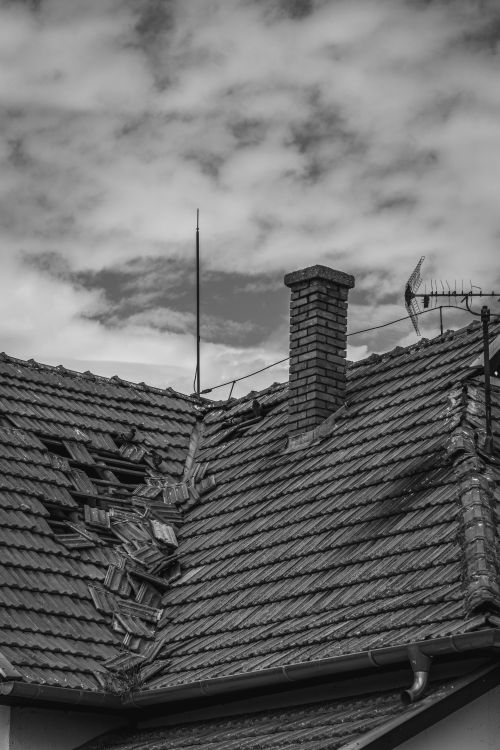
The decisions you make in the first 72 hours after a hurricane determines whether your claim pays out in full, whether your home stays dry while you wait, and whether you end up working with a roofer who protects your interests or one who protects their own.
This guide is written by Jason Lopez, owner of Acadiana Roof Restoration LLC. We have inspected roofs after Hurricanes Laura, Ida, Delta, and Zeta across Acadiana, Baton Rouge, and Southwest Louisiana. What follows is exactly what we tell our customers in the hours after a storm.
Step 1: Document Before You Touch Anything
Before you touch a single shingle, before you call your insurance company, before you let anyone onto your roof, document everything.
Take photos and video of every area of visible damage. Start from ground level and work around the perimeter of the house. Then go inside and document the attic: look for daylight coming through the deck, water staining, wet insulation, or displaced rafters. Document interior ceiling stains in every room.
Do not clean up, remove debris, or make any repairs before you have documentation. Adjusters look for evidence that damage occurred during the storm. If you remove debris before photos are taken, you remove your own evidence.
Time-stamp everything. Your phone camera does this automatically. If you have a security camera or doorbell camera that captured the storm, save that footage immediately. Most systems overwrite after 7 to 14 days.
Step 2: Emergency Tarping If Rain Is Coming
If another rain event is coming and you have exposed decking or large sections of missing shingles, emergency tarping protects your home from further damage and protects your claim.
A few rules about tarping:
- Do not climb onto a wet or storm-damaged roof. The number of injuries after hurricanes from homeowners climbing damaged roofs is significant. If you cannot safely access the roof, call a licensed contractor to do the emergency tarping.
- Keep receipts for everything. Emergency tarping costs are typically covered under your policy as mitigation expenses. Your insurer may reimburse you.
- Do not permanently repair anything before your adjuster has seen the damage. Emergency tarping is acceptable. Replacing shingles before the adjuster visit can give the insurer grounds to argue they cannot assess the original damage.
Step 3: Open Your Claim Within 24 to 48 Hours
Call your insurance company and open a claim as soon as possible, ideally within 24 to 48 hours of the storm.
When you call, have ready: your policy number, the date of the storm, a description of the visible damage, and your documentation photos. Ask specifically: What is my wind deductible? Is it a flat amount or a percentage of my dwelling coverage? When can I expect an adjuster visit?
Louisiana RS 22:1892 requires insurers to acknowledge your claim within 14 days and make a coverage decision within 30 days of receiving your proof of loss. If your insurer is slow to respond after a major storm event, note every date and time you attempt contact.
Step 4: Get an Independent Roof Inspection Before the Adjuster Visit
This step is the one most homeowners skip and the one that costs them the most money.
Your insurance company's adjuster works for your insurance company. Their job is to accurately assess the damage, but their training, their time constraints, and their employer's financial interests all affect what ends up in their report.
A documented roof inspection documents damage using the same methodology insurance adjusters themselves are trained on. This means when we write up a roof inspection, it speaks the language your insurer uses. It distinguishes storm damage from pre-existing wear with the methodology your insurer cannot easily dismiss.
Get your independent inspection before the adjuster visits if possible, or immediately after. If the adjuster's estimate comes back low or they deny portions of your claim, your documented roof inspection report is the formal rebuttal.
The Damage Types Adjusters Frequently Miss on Louisiana Roofs
After major hurricanes in Louisiana, we consistently see adjusters undercount or misclassify these damage types:
- Lifted and re-seated shingles. When hurricane-force winds get under shingles and lift them, the sealant strips break. The shingles settle back down and look intact from the ground. But the seal is broken, the nail holes are enlarged, and the shingle will leak in the next rain. Adjusters walking a roof quickly will miss these.
- Granule loss from impact. When driven rain and debris hit shingles at hurricane-force speeds, granules are knocked loose. This accelerates UV degradation and shortens remaining roof life. A granule loss inspection requires close examination of gutters and downspout discharge to quantify what was lost.
- Ridge cap damage. Ridge caps take the highest wind load on the roof. Missing or shifted ridge caps are frequently overlooked because they are not visible from common adjuster vantage points.
- Fascia, soffit, and drip edge damage. Wind-driven water enters through compromised fascia and soffit before it ever comes through the roof surface. These items are often listed under a separate line in the estimate at amounts that do not reflect actual replacement cost.
- Decking damage below the shingle surface. Moisture intrusion during the storm can wet the decking even when shingles appear intact above. Wet OSB decking begins to delaminate within days. Adjusters who are working dozens of roofs per day frequently do not get into attic spaces.
What Storm Chasers Will Not Tell You
After every major hurricane in Louisiana, out-of-state contractors flood the region. They knock on doors, offer free inspections, and ask homeowners to sign paperwork on the spot.
Read every document before you sign anything. Specifically, watch for Assignment of Benefits (AOB) language. An AOB transfers your right to collect insurance proceeds directly to the contractor. Louisiana law has restricted AOB assignments on roofing work specifically because of widespread abuse after previous storms, but some contractors still attempt it.
Red flags to watch for: no Louisiana contractor's license number on the paperwork, a P.O. box instead of a physical business address, pressure to sign before your adjuster has seen the roof, promises of a "free roof" with zero out-of-pocket cost.
Protect yourself by hiring a contractor with a verifiable physical address in your community, a Louisiana contractor's license you can look up, and a track record you can verify through the BBB and Google reviews.
What Happens If Your Claim Is Denied or Underpaid
If your insurer denies your claim, underpays, or classifies storm damage as pre-existing wear and tear, you have options:
- Request a re-inspection with your own independent inspector present. Ask that the adjuster's re-inspection be conducted with your inspector on site so both parties can examine the same areas simultaneously.
- Submit a formal written dispute citing the specific line items you believe are incorrect. Include your documented roof inspection report as supporting documentation.
- File a complaint with the Louisiana Department of Insurance at ldi.la.gov or 1-800-259-5300. Under Louisiana RS 22:1892, insurers who fail to handle claims in good faith face penalties of 50% of the amount owed plus attorney fees.
- Hire a licensed Louisiana public adjuster. Public adjusters work on your behalf to re-evaluate and negotiate your claim. They are paid a percentage of the settlement.
The Long Game: IBHS FORTIFIED Certification After Replacement
If a hurricane has damaged your roof to the point of requiring full replacement, consider this the opportunity to never be in this position again.
An IBHS FORTIFIED Roof is engineered to resist 130+ MPH uplift forces. The sealed deck design means even if every shingle is torn off in a major hurricane, water cannot enter the attic. Louisiana homeowners with FORTIFIED roofs during Hurricanes Laura, Ida, and Delta filed dramatically fewer claims than their neighbors.
And under Act 533 and Regulation 136, Louisiana law requires your insurer to discount your premium by up to 29% in South Louisiana for a base FORTIFIED Roof designation, up to 43% for Silver, and up to 49% for Gold.
The Louisiana Fortify Homes Program also offers grants up to $10,000 toward a qualifying FORTIFIED replacement. If you are replacing a storm-damaged roof, this is the time to do it right.
Get a Free Post-Storm Roof Assessment in Lafayette and Acadiana
Acadiana Roof Restoration LLC offers free post-storm roof assessments across Lafayette, Baton Rouge, Lake Charles, Houma, and all of Acadiana.
Owner Jason Lopez is a certified IBHS FORTIFIED contractor. We carry Louisiana contractor's license, general liability insurance, and workers' compensation. We have a physical office at 211 Hulco Drive in Scott, Louisiana, not a P.O. box, not a temporary location.
We will inspect your roof, document the damage, and give you an honest assessment of what needs to happen and what your options are before you commit to anything.
Call 337-999-ROOF (7663) for a same-week assessment.
Acadiana Roof Restoration LLC
211 Hulco Drive, Scott, LA 70583
IBHS FORTIFIED Certified | Roof Maxx 5-Star Dealer | BBB A+ |
Veteran-Owned
Related Guides
- How to File a Roof Insurance Claim in Louisiana
- IBHS FORTIFIED Certified Roofing Contractor in Louisiana
- FORTIFIED Roof Insurance Savings in Louisiana (2026)
Frequently Asked Questions
What should I do immediately after hurricane roof damage in Louisiana?
Document everything before touching anything. Take photos and video of all damage from ground level and inside the attic. Do not climb onto a wet or storm-damaged roof. Apply emergency tarping only if rain is imminent and you can do it safely, or hire a licensed contractor to do it. Call your insurance company to open a claim within 24 to 48 hours. Do not sign any repair contracts until your adjuster has completed their inspection.
Does homeowners insurance cover hurricane roof damage in Louisiana?
Yes, in most cases. Standard Louisiana homeowners policies cover wind and hurricane damage to the roof. However, policies vary on whether they pay actual cash value or replacement cost value. A separate flood policy is required for water intrusion caused by rising water rather than wind-driven rain. Review your declarations page for your wind deductible, which is often a percentage of your dwelling coverage rather than a flat dollar amount.
How long do I have to file a hurricane roof damage claim in Louisiana?
Most policies require prompt reporting. File within 24 to 48 hours of the storm if possible. Louisiana RS 22:1892(B)(1)(a) and standard policy language generally allow 30 to 60 days, but delays give adjusters grounds to dispute whether damage is storm-related. The sooner you file, the stronger your claim.
What if my insurance adjuster says my roof damage is pre-existing?
Request a documented roof inspection. An independent inspector documents damage using the same methodology insurance companies use, distinguishing storm damage from wear and tear. This report can be submitted as a formal dispute and often results in claims being reopened or supplemented.
What does a documented roof inspection include?
A documented roof inspection includes a written, dated, photo-documented report of shingle condition, granule loss, flashing, storm damage, and remaining life. Acadiana Roof Restoration offers free roof assessments in Lafayette, Baton Rouge, Lake Charles, Houma, and all of Acadiana.
Should I use a storm chaser roofer after a hurricane in Louisiana?
No. Storm chasers often pressure homeowners into signing Assignment of Benefits agreements before an adjuster has seen the roof. Louisiana law restricts AOB on roofing work specifically because of abuse after previous storms. Hire a local, licensed contractor with a verifiable physical address and a track record in your community.
Who does hurricane roof inspections in Lafayette Louisiana?
Acadiana Roof Restoration LLC offers free post-storm roof assessments in Lafayette, Baton Rouge, Lake Charles, Houma, and all of Acadiana. Owner Jason Lopez is a certified IBHS FORTIFIED contractor. Call 337-999-7663 for a same-week assessment.
Acadiana Roof Restoration LLC holds a Louisiana contractor's license, general liability insurance, and workers' compensation coverage. Louisiana contractor's license number available upon request.