How to File a Roof Insurance Claim in Louisiana
How to File a Roof Insurance Claim in Louisiana: A Step-by-Step Guide
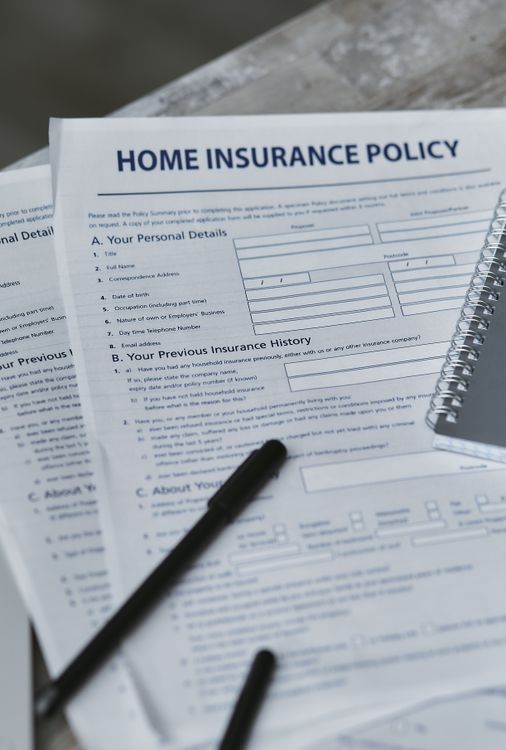
Most Louisiana homeowners file a roof insurance claim once or twice in their lives. Insurance adjusters handle hundreds. That imbalance matters when your settlement offer comes back lower than you expected, when items are missing from the estimate, or when the adjuster calls storm damage pre-existing wear.
This guide levels the field. Jason Lopez is the owner of Acadiana Roof Restoration LLC in Scott, Louisiana. What follows is the exact process we walk our customers through: from the moment damage occurs to the moment the check clears.
Step 1: Document the Damage Before Anything Else
The single most important thing you can do before touching anything, calling anyone, or letting anyone onto your roof is to create a thorough documentation record.
Take photos and video of every area of visible damage. Work from ground level around the full perimeter. Then go inside and photograph your attic: look for daylight coming through the deck, water stains on rafters, wet insulation, or displaced framing. Walk every room and photograph any ceiling stains, bubbling paint, or water marks on walls.
Do not remove debris or start any cleanup before you have documentation. Adjusters need to see evidence that damage occurred during the covered event. Removing debris before the adjuster visit can create gaps in your documentation that insurers use to minimize claims.
If you have a security camera, doorbell camera, or Ring device that captured the storm, export and save that footage immediately. Most systems overwrite within 7 to 14 days.
Step 2: Review Your Policy Before You Call
Before you open your claim, spend 15 minutes with your policy declarations page. Three things matter most:
Your wind deductible. Louisiana homeowners policies often carry a separate wind and hurricane deductible expressed as a percentage of your dwelling coverage: commonly 1%, 2%, or 5%. On a $300,000 home insured at $300,000 dwelling coverage, a 2% wind deductible means you owe the first $6,000. Know this number before the adjuster arrives.
Actual cash value versus replacement cost value. An ACV policy pays you the depreciated value of your damaged roof. An RCV policy pays what it actually costs to replace it with materials of like kind and quality at today's prices. The difference on a 12-year-old roof can be thousands of dollars. Check your declarations page.
Named storm trigger. Some wind deductibles only apply when damage is caused by a named tropical storm or hurricane. Others apply to any wind event above a certain speed. This affects your out-of-pocket exposure.
Step 3: Open Your Claim Within 24 to 48 Hours
Call your insurer's claims line and open your claim as soon as possible after the damage occurs, ideally within 24 to 48 hours.
Have ready: your policy number, the date and nature of the event, a description of the visible damage, and confirmation that you have photos. Ask the claims representative to note the time and date of your call in the file.
Ask specifically: When will an adjuster contact me? Will it be an in-person inspection or a virtual review? Can I be present during the inspection?
Under Louisiana RS 22:1892, your insurer must begin adjusting your claim within 14 days and pay any amount due within 30 days of receiving satisfactory proof of loss. After a declared catastrophic loss, it has 30 days to begin and, for a home, 60 days to pay. Write down the name of every person you speak with and the date and time of each call.
Step 4: Get an Independent Roof Inspection Before the Adjuster Visits
This is the step that costs homeowners the most money when they skip it.
Your insurer's adjuster works for your insurer. Even when adjusters act in good faith, they are working under time pressure, often inspecting multiple roofs per day after a storm event, and they are not specialists in damage documentation. Their job is to assess damage accurately within a system that was designed by and for insurance companies.
A documented roof inspection documents damage using the same methodology insurance companies use to train their adjusters. When an independent inspector writes a report using those protocols, it carries weight that a contractor's opinion does not.
Specifically, a documented roof inspection distinguishes:
- Storm damage from normal wear and aging. This is the most common dispute in Louisiana claims. A documented report with photo documentation and methodology notes makes this argument nearly impossible to sustain.
- Functional damage from cosmetic damage. Adjusters sometimes classify damage as cosmetic and exclude it from the estimate. A documented report documents functional impairment: damage that affects the roof's ability to perform its protective function.
- Primary damage from consequential damage. Wind creates primary damage. Water intrusion from that wind damage creates consequential damage to decking, insulation, framing, and interior surfaces. All of it is covered. All of it needs to be documented.
Step 5: Be Present for the Adjuster's Inspection
Do not leave the adjuster alone on your roof. Be present and walk the roof with them if you can do so safely.
Point out every area of damage you documented. Show your photos. Ask the adjuster to note each item they are inspecting and whether it is being included in the estimate. Get the adjuster's name, license number, and direct contact information before they leave.
If you had a documented roof inspection before the adjuster's visit, share that report with the adjuster on site. It sets the evidentiary baseline for your claim from the first conversation.
Step 6: Review the Adjuster's Estimate Line by Line
When the adjuster's estimate arrives, do not accept it as final without reviewing every line.
Common items adjusters undervalue or omit on Louisiana roof claims:
- Drip edge and starter strip. These are frequently excluded or priced below actual replacement cost. Drip edge installation is required under IBHS FORTIFIED standards and current building code.
- Ridge cap. Priced at minimum and frequently insufficient to cover the actual material and labor cost of proper ridge cap replacement.
- Decking replacement. Adjusters sometimes note wet or damaged decking and then exclude it from the scope, calling it pre-existing. If decking was damaged by storm-driven moisture intrusion, it is a covered loss.
- Gutters and downspouts. Impact damage to gutters from hail or wind-driven debris is a covered loss on most policies. It is frequently omitted.
- Overhead and profit. On claims that require a general contractor to coordinate multiple trades, roofing, interior drywall, painting, overhead and profit (O&P) is a standard line item. It is regularly omitted on the initial estimate and must be requested.
- Code upgrade costs. Louisiana building code requires that any roof replacement meet current code. If your roof was built to an older code standard, the cost to upgrade to current code is covered under most RCV policies as a code upgrade or ordinance and law coverage item. Check your policy.
Step 7: Dispute If the Estimate Is Low
If the adjuster's estimate is missing items, underprices covered damage, or misclassifies storm damage as pre-existing, you have the right to dispute it.
Request a re-inspection in writing. State specifically which line items you are disputing and why. Attach your documented roof inspection report as supporting documentation.
Submit a written proof of loss. Your policy likely requires you to submit a signed proof of loss within a specific time frame, often 60 days of the loss. This formal document sets the clock on Louisiana's statutory response deadlines.
File a complaint with the Louisiana Department of Insurance. If your insurer fails to respond within the timeframes required by Louisiana RS 22:1892, or if they deny a valid claim without adequate justification, file a complaint at ldi.la.gov or call 1-800-259-5300. Under the statute, insurers who handle claims in bad faith face penalties of 50% of the claim amount plus attorney fees.
Hire a licensed Louisiana public adjuster. Public adjusters are licensed professionals who evaluate and negotiate claims on your behalf. They are paid a percentage of the final settlement, typically 10%, and often recover significantly more than the original estimate. They are most valuable on large or disputed claims.
Understanding Louisiana RS 22:1892
Louisiana RS 22:1892 is the state law that governs how insurers must handle your claim. Here is what it requires:
- Your insurer must begin adjusting your claim within 14 days, or within 30 days after a declared catastrophic loss.
- Your insurer must pay any amount due within 30 days of receiving satisfactory proof of loss, or within 60 days after a declared catastrophic loss on a home.
- If your insurer arbitrarily and capriciously fails to pay a valid claim or delays payment without cause, they face a statutory penalty of 50% of the amount owed, plus reasonable attorney fees and costs.
This law exists because Louisiana has had significant experience with insurer misconduct after major storms. Knowing your rights under RS 22:1892 changes the dynamic of every conversation you have with your claims representative.
What Happens After the Claim Is Settled
Once your claim is settled and the check is issued, the clock starts on your repair window. Most policies require that repair work be completed within a reasonable time to prevent further damage to the covered structure.
If you received an ACV payment initially, ask your insurer about the recoverable depreciation process. On RCV policies, insurers first pay ACV and then release the withheld depreciation once you submit proof that the repair work was completed. Do not leave recoverable depreciation on the table.
If you are replacing a storm-damaged roof, this is also the optimal time to upgrade to IBHS FORTIFIED certification. The Louisiana Fortify Homes Program offers grants up to $10,000 toward a qualifying FORTIFIED replacement. Under Act 533 and Regulation 136, a FORTIFIED roof earns you a mandatory insurance premium discount of up to 29% in South Louisiana, recovering the upgrade cost over time while making your home significantly more resistant to the next storm.
Get a Free Roof Assessment and Documented Inspection in Lafayette and Acadiana
Acadiana Roof Restoration LLC provides free roof assessments and Roof Inspections across Lafayette, Baton Rouge, Lake Charles, Houma, and all of Acadiana.
Owner Jason Lopez is a certified IBHS FORTIFIED contractor. Every assessment includes documentation of all visible damage, a written scope of work, and a clear explanation of your options, including whether a FORTIFIED upgrade makes financial sense given your current insurer and premium.
We hold a Louisiana contractor's license, general liability insurance, and workers' compensation. Our physical office is at 211 Hulco Drive in Scott, Louisiana.
Call 337-999-ROOF (7663) to schedule your assessment.
Acadiana Roof Restoration LLC
211 Hulco Drive, Scott, LA 70583
IBHS FORTIFIED Certified | Roof Maxx 5-Star Dealer | BBB A+ |
Veteran-Owned
Related Guides
- Hurricane Roof Damage in Louisiana: What to Do in the First 72 Hours
- IBHS FORTIFIED Certified Roofing Contractor in Louisiana
- Roofing Contractor Credentials: What Actually Matters in Louisiana
Frequently Asked Questions
How do I file a roof insurance claim in Louisiana?
Document all damage with photos and video before touching anything. Call your insurer to open the claim within 24 to 48 hours. Get an independent roof inspection before or immediately after the adjuster's visit. Review the adjuster's estimate line by line. If it is low or missing items, submit a written dispute supported by a documented roof inspection report. Under Louisiana RS 22:1892, your insurer must begin adjusting your claim within 14 days and pay any amount due within 30 days of receiving satisfactory proof of loss. After a declared catastrophic loss, it has 30 days to begin and, for a home, 60 days to pay.
How long does a Louisiana insurance company have to respond to a roof claim?
Under Louisiana RS 22:1892, insurers must begin adjusting your claim within 14 days and pay any amount due within 30 days of receiving satisfactory proof of loss. After a declared catastrophic loss, they have 30 days to begin and, for a home, 60 days to pay. Insurers who fail to meet these deadlines face penalties of 50% of the claim amount plus reasonable attorney fees.
What is the wind deductible on a Louisiana homeowners insurance policy?
Louisiana homeowners policies often carry a separate wind and hurricane deductible expressed as a percentage of your dwelling coverage: commonly 1%, 2%, or 5%. On a home insured for $300,000, a 2% wind deductible means you pay the first $6,000 out of pocket. Check your declarations page for your specific deductible and whether it applies to named storms only or any wind event.
What is the difference between actual cash value and replacement cost value for a roof claim?
Actual cash value pays the depreciated value of your damaged roof. Replacement cost value pays the full cost to replace it with materials of like kind and quality at current prices. ACV policies almost always result in a lower payout. Check your policy declarations page for your coverage type.
Can I dispute a low roof insurance settlement in Louisiana?
Yes. Request a re-inspection, submit a written dispute with a documented roof inspection report, and file a complaint with the Louisiana Department of Insurance at 1-800-259-5300 if your insurer fails to respond in good faith. You may also hire a licensed Louisiana public adjuster to negotiate on your behalf.
What does Louisiana RS 22:1892 mean for my roof claim?
It is the state law requiring insurers to begin adjusting your claim within 14 days and pay any amount due within 30 days of satisfactory proof of loss. Insurers who arbitrarily deny or underpay face penalties of 50% of the claim amount plus attorney fees. This law gives Louisiana homeowners significant leverage when dealing with a slow or uncooperative insurer.
Who can help me with a roof insurance claim in Lafayette Louisiana?
Acadiana Roof Restoration LLC offers free roof assessments and documented roof inspections in Lafayette, Baton Rouge, Lake Charles, Houma, and all of Acadiana. Owner Jason Lopez is a certified IBHS FORTIFIED contractor. Call 337-999-7663 to schedule.
Last updated: July 2026. This guide is for informational purposes. Consult a licensed Louisiana public adjuster or attorney for advice specific to your claim.